

Top Web Analytics Tools for 2023: Maximizing Your Online Insights
In the digital age, understanding your audience is crucial for success. By utilizing the right web analytics tools, businesses can gain invaluable insights into their online performance and make informed decisions. One such resource to consider is web analytics tools accs-net.com, which offers various solutions to enhance web analytics strategies. In this article, we will explore the top web analytics tools available in 2023, their features, and how they can help track and improve your website performance.
Understanding Web Analytics
Web analytics refers to the measurement, collection, analysis, and reporting of internet data to understand and optimize web usage. By utilizing these tools, businesses can track visitor behavior, identify trends, and measure the effectiveness of their online campaigns. The insights gained can inform marketing strategies, improve user experience, and ultimately drive conversions.
Why Use Web Analytics Tools?
The importance of web analytics tools cannot be overstated. Here are a few key reasons to harness their power:
- Data-Driven Decisions: Making decisions based on data rather than gut feelings can significantly enhance your marketing strategies.
- Improved User Experience: Understanding how users interact with your website allows you to make necessary adjustments, improving overall satisfaction and engagement.
- SEO Optimization: Track keywords and traffic sources to enhance your search engine optimization efforts.
- Conversion Rate Optimization: Identify areas for improvement in your sales funnel to enhance conversion rates and increase revenue.
Top Web Analytics Tools for 2023
1. Google Analytics
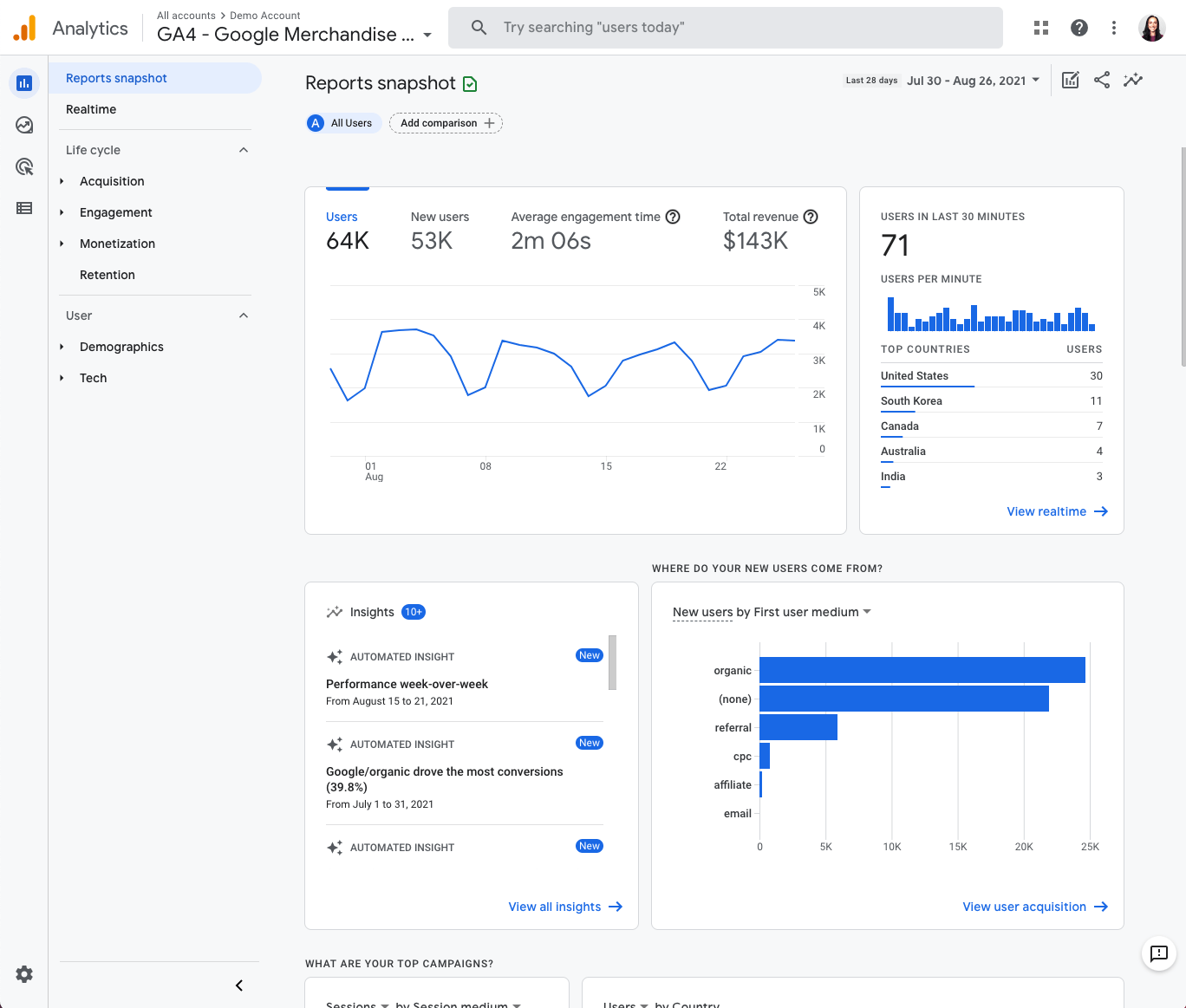
Google Analytics remains the gold standard in web analytics tools. It’s free to use and offers comprehensive insights into visitor behavior, traffic sources, and user demographics. With features like real-time reporting, goal tracking, and advanced segmentation, it empowers businesses to make informed decisions based on user data.
2. Adobe Analytics
Adobe Analytics is a robust enterprise-level analytics tool that provides deep insights into customer journeys across various touchpoints. It offers features like real-time data processing, customer segmentation, and predictive analytics. However, it comes with a higher price tag, making it best suited for larger businesses with a substantial budget.
3. Matomo (formerly Piwik)
Matomo is an open-source web analytics platform that allows users to host their analytics data. This flexibility is appealing to businesses that prioritize data privacy and control. Matomo offers features like heatmaps, session recordings, and goal tracking, making it a strong contender for comprehensive web analytics needs.
4. Clicky
Clicky is a user-friendly web analytics tool that focuses on real-time data. It offers a clean interface and essential features like heatmaps, uptime monitoring, and goal tracking. With its straightforward setup and reporting capabilities, Clicky is ideal for small businesses and those who prefer simplicity without sacrificing key insights.
5. Hotjar
Hotjar combines analytics and feedback tools to provide a complete view of user behavior. Its features include heatmaps, session recordings, and surveys, allowing users to understand not just what visitors do on a website, but why they do it. This qualitative data complements traditional quantitative analytics, making it an excellent addition to any digital strategy.
6. SEMrush
While SEMrush is primarily known as an SEO tool, it also offers powerful analytics features. Users can analyze traffic sources, track keyword rankings, and assess site performance relative to competitors. SEMrush is particularly useful for marketers focused on improving visibility in search engines.
7. Kissmetrics
Kissmetrics is designed specifically for e-commerce and SaaS businesses, focusing on customer behavior and conversion tracking. It provides insights into user interactions across multiple sessions and devices, helping businesses understand how to optimize their sales funnels to increase customer retention and sales.
Choosing the Right Tool for Your Needs
When selecting a web analytics tool, consider factors such as:
- Company Size: Larger organizations may require more extensive features and enterprise solutions, while small businesses might benefit from simpler tools.
- Budget: Some analytics tools come with considerable costs, while others, like Google Analytics, offer free options with valuable insights.
- Specific Goals: Identify what you want to achieve—whether it’s tracking conversions, improving UX, or enhancing SEO—and choose a tool that aligns with those objectives.
Conclusion
Web analytics tools play a critical role in the success of any online business. Understanding how to leverage these tools can lead to more informed decision-making, improved marketing strategies, and ultimately, a better online presence. By selecting the right analytics tool that meets your business needs, you will be well-equipped to navigate the digital landscape of 2023 and beyond.
Investing in robust web analytics tools like Google Analytics, Adobe Analytics, or Matomo can set your business on the path to success. Choose wisely, analyze accurately, and watch as your business flourishes in the digital era.