

Your workout plan is only as good as the fuel you put into it. We believe in a “no-BS” approach to nutrition—meaning real, whole foods and supplements with simple, clean ingredients. A balanced diet for an active person should include a mix of lean proteins, healthy fats, and complex carbohydrates. LISS, such as walking or light cycling, is excellent for burning fat as a primary fuel source and improving your aerobic base. It’s also very easy to recover from, making it perfect for those “Active Rest” days.
Write one daily fitness goal every morning and check it off every night.
Instead our lifestyle changes as we age, leading to pounds gained and muscle lost. Make a pact to defy convention and place yourself first, or workout and nutrition integration at least not last. Taking the time for yourself may be an essential reprieve to emotionally endure caregiving for an ailing relative without resentment for the task or loved one. One of the simplest yet most effective strategies for staying consistent with your workouts is preparation.
How To Stay Consistent With Exercise
- Also, remember that shorter but frequent sessions are often better than infrequent long ones when starting your journey.
- Focus on one or two key habits at a time, and once they feel like second nature, add more.
- Research shows it typically takes anywhere from six weeks to six months to firmly establish exercise as a routine.
- When the obstacle occurs — and it will — you don’t need to think, negotiate with yourself, or rely on motivation.
- Life is busy, but you can always make time for your fitness.
- We talked to some top trainers to find out how they promote a regular routine for their clients — and for themselves.
Establishing accountability measures, such as workout buddies or online communities, supports adherence to goals. This social element promotes motivation and provides encouragement during challenging times. By recognizing and adapting to lifestyle changes, individuals can maintain their fitness journey, demonstrating discipline and resilience in achieving their objectives. Establishing a routine helps individuals build habits essential for success. For instance, scheduling short, frequent workouts can be more beneficial than infrequent, long sessions. Use the Trainerize app to log your workouts, track weights and reps, or even take progress photos.
Friday: Total Body Strength
I’ll see people be so tough on themselves for one missed workout, that it spirals downward and then they’re doing NO workouts. Research in behavioral psychology highlights that people are more likely to follow through when activities are time-bound rather than left open-ended. Find ways to move your body that you enjoy and make that the base of your fitness pyramid.
The Pillars of a Balanced Workout Week
Compound movements, like the squat, work multiple joints and muscles simultaneously. Isolation movements, like a bicep curl, focus on a single muscle. While isolation moves have their place for aesthetic goals or addressing specific weaknesses, the bulk of your workout week should be built around compound movements. They are more efficient, burn more calories, and build more functional strength.
Create a routine.
Whether you exercise three times a week or daily, the key is to keep moving forward. In contrast, a well-paced, consistent workout routine supports steady improvement and positions you to break weightlifting plateaus or other performance barriers. From better performance to reduced injury risk and improved mood, staying consistent with your training creates a compounding effect that supports long-term health and fitness. Though there’s no one-size-fits-all approach to how consistent your routine needs to be, the Physical Activity Guidelines for Americans provides a solid outline. Aim for 150 minutes a week of moderately intense physical activity or 75 minutes of vigorous exercise, and lift weights twice a week. It helps to try to move more often throughout your day, whether you’re getting up to go chat with a colleague or taking a midday jog, says Dr. Laskowski.
The Long-Term Benefits of Staying Consistent

Now that you have set your goals and met them for the first week I suggest identifying how you want to track your workouts and your progress. One is not better than the other, just want to find what you like to use. I find this is a week where energy and motivation are high because you are riding the fresh wave of commitment and hope.
Focus on the very next choice, instead of pushing the choice off until Monday. If you go for beers with friends and get into burgers and wings on a Friday night, enjoy it. Plan it as something to enjoy guilt free later in the week.
Be Active Throughout the Day
Some athletes may be able to sustain a daily five-in-the-morning schedule with consistency, while that might be the fastest way to burn other lifters out. Choose a time that works for you — even if that’s a different time on different days of the week — and stick to it as best as possible. Allow yourself some flexibility to make sure that schedule changes don’t completely throw you off your game.
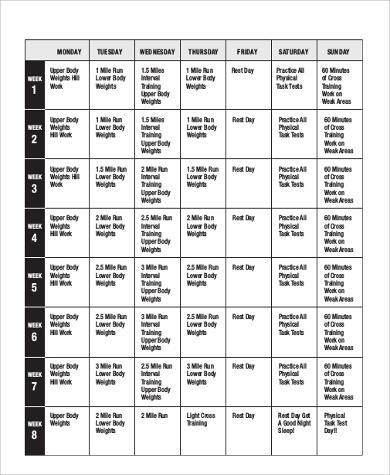
A dumbbell-only setup works well for most of this routine and is a practical starting point if you train at home or do not have access to a full gym. The last exercise before we get to personalizing the full body workout routine is for your shoulders. And for all barbell squats, don’t be afraid to go heavy — 6 to 10 reps works great in this full body workout routine. Even with the best intentions, the right program, and strong initial motivation, specific obstacles derail workout consistency again and again for millions of people. Kaushik Bose at Bose Fitness has identified the most common consistency killers and developed specific, evidence-based strategies to defeat each one. There is a persistent myth in fitness culture that effective workouts must be unpleasant, painful, and something to be endured rather than enjoyed.
Pick An Incline That Actually Matches Your Body (Sternum Test)
The good news is that if you are a beginner to strength training or any kind of programming, you will see beginner gains. Beginner gains happen because your nervous system rapidly learns to recruit muscles efficiently while your body responds to a new training stimulus. As you continue training, muscle growth requires greater volume, intensity, and precise programming. In other words, the closer you get to your genetic potential, the harder it becomes to keep making gains. They need time to assess, adjust, and individualize your program.
What’s holding you back from reaching your health goals?
Treat Yo Self for meeting your goals—whether it’s with new workout clothes, a relaxing bath, or something else meaningful to you. Consistency is far more important than any “ideal” program, so start with what’s realistic for you and build from there. If you want all that guesswork handled for you, so all you have to do is follow a plan personalized to you, you can try my BWS+ app free for two weeks by clicking the button below. Then you need to adjust your workouts as you get stronger and pair your training with the right diet. In all cases, you’ll wanna go higher reps here, 10–20 per set. Most people think the shoulders just have 3 heads, but research shows they actually have up to 7 different heads.
It helps you identify and understand your patterns and consistency with different habits over time. If you want to stay consistent and stick with a habit for good, one simple and effective thing you can do is keep a habit tracker. Tracking your workout progress or habits gives you a visual or proof of your hard work. Many people make the mistake of trying to do too much too quickly.
Leave A Comment